What packaging has to do
A package works in two places now. On a store shelf it has a few seconds and an arm's length to tell a shopper what the product is and why it's different from the one next to it. In an online listing it shows up as a small square, usually a render or a photo on white, next to a dozen competitors. The design has to read in both.
It also has to be buildable. A box is a flat sheet that gets printed, cut and folded, and every panel, flap and glue area comes from the printer's dieline. Artwork that ignores the dieline ends up with text across a fold or a logo on the glue flap, and that is usually found after the print run, when it's expensive.
Services
Boxes and cartons
Folding cartons, tuck-end boxes, mailer boxes and sleeves, designed on the actual dieline.
Labels and pouches
Labels for bottles, jars and cans, plus stand-up pouches and flat bags.
Product renders
3D mockups of your package for store listings, sell sheets and crowdfunding pages.
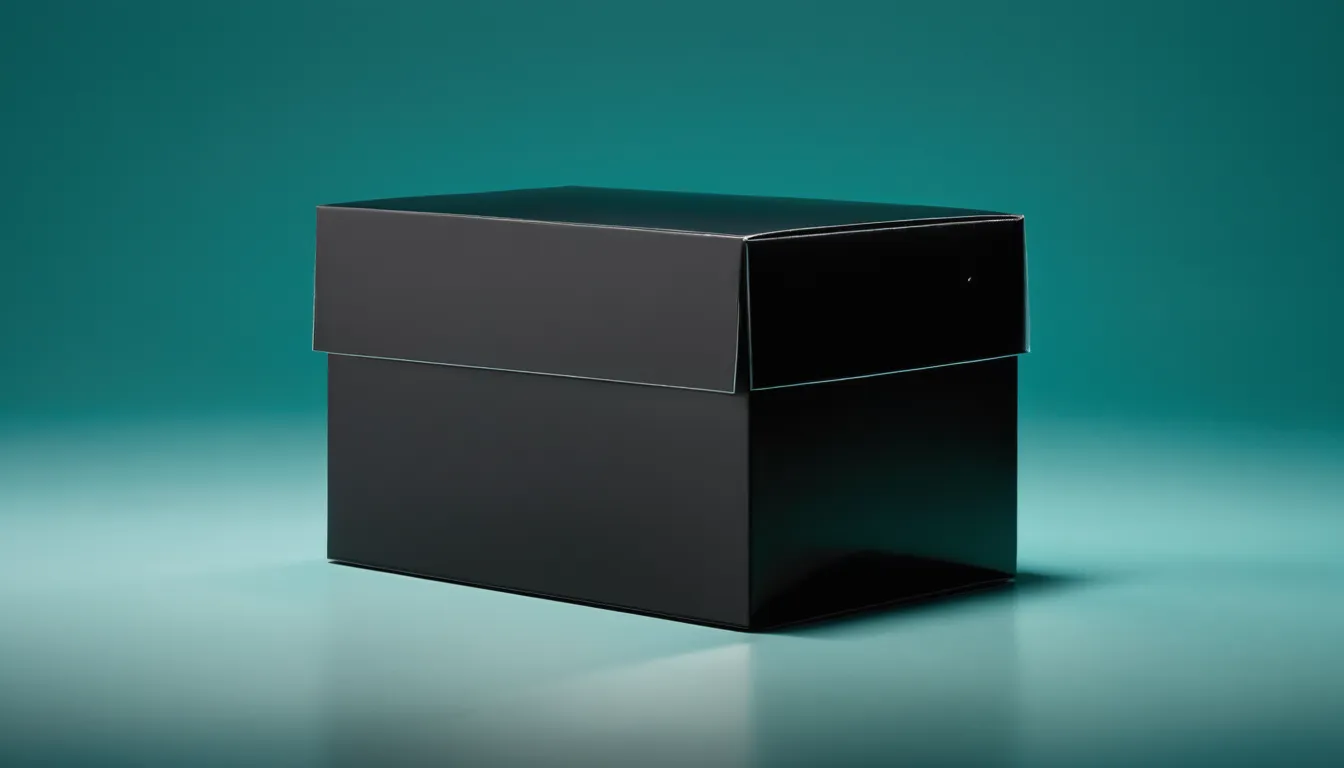
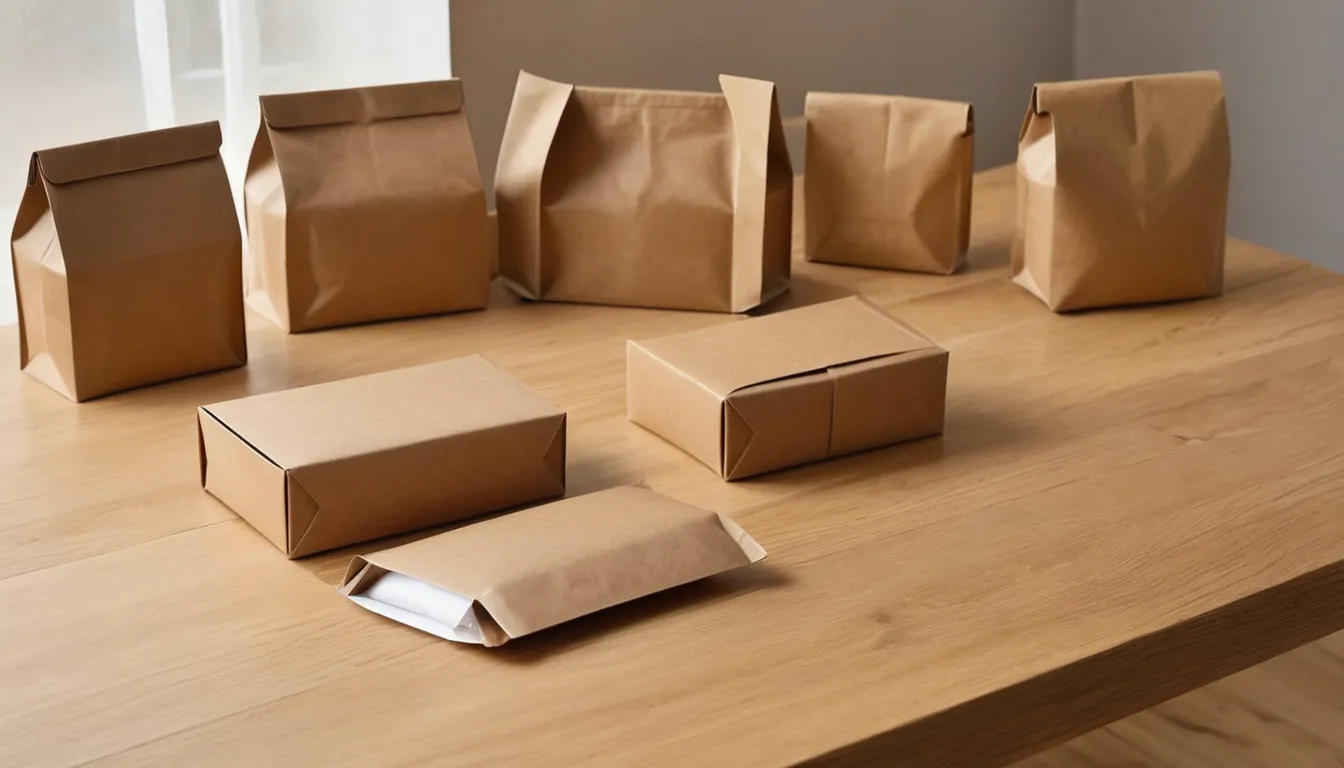
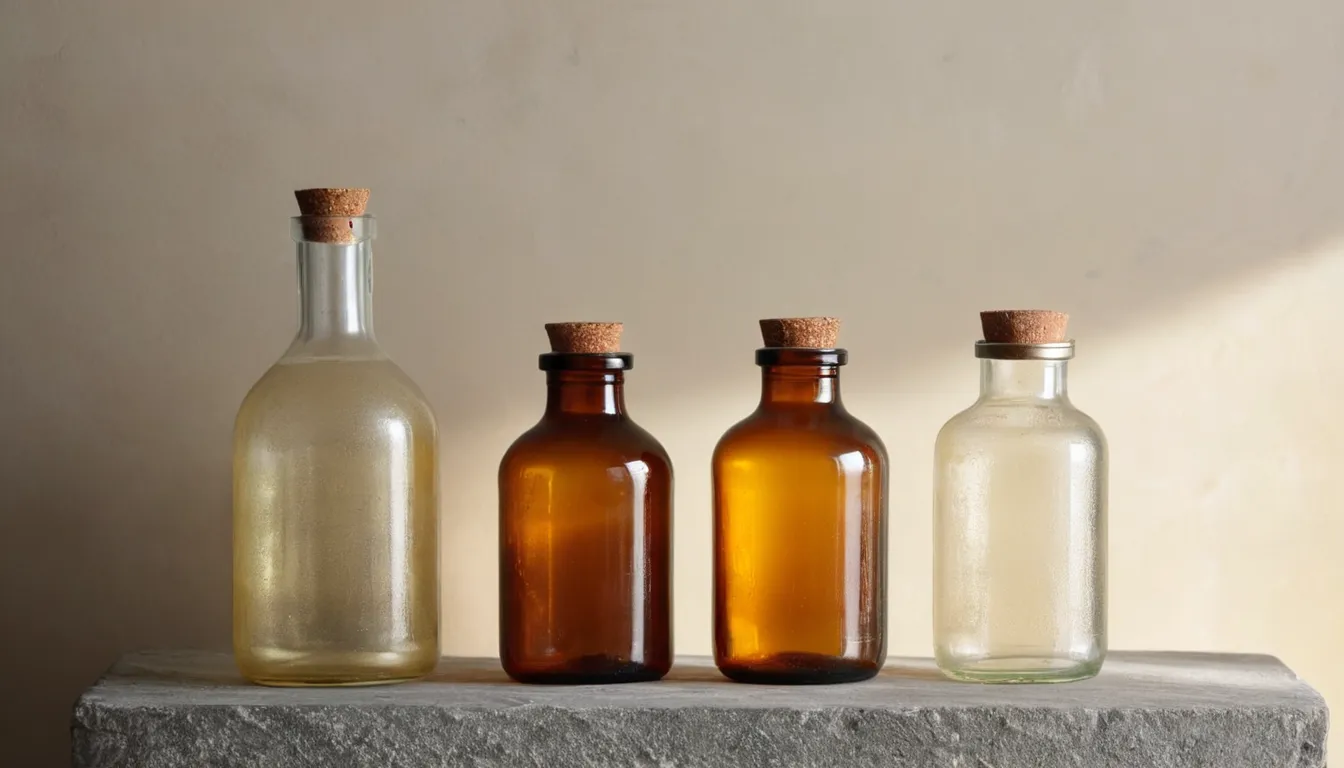
What finished packaging renders look like
Why we start from the dieline
The drawing at the top of this page is a reverse tuck-end carton, one of the most common folding boxes. Solid lines are cuts, dashed lines are folds, and the hatched strip is where the box gets glued. Your printer has one for every box size they make, and we place the artwork on it panel by panel so the front lands on the front and the barcode lands where the scanner can reach it.
What to send
- The product itself: dimensions, weight, and photos of it from a few sides
- Where it sells: retail shelf, online store, marketplace, subscription box or trade show
- Your logo files, brand colors and fonts, or a note that you don't have them yet
- Copy that must appear: product name, contents, warnings, barcode, ingredients or specs
- Your printer or packaging supplier, and their dieline if they have one
- Two or three packages you like, from any category, with a line on why
Not everything has to be final. If you don't have a printer yet, we can design on a standard dieline and adjust once you choose one.
Where we work
All work is remote, so location matters only for call times. These pages cover brands in three cities.
Austin, TX
Packaging and renders for Austin brands and product makers.
Fort Worth, TX
Packaging and renders for Fort Worth brands and product makers.
Detroit, MI
Packaging and renders for Detroit brands and product makers.
Common questions
How much does packaging design cost?
It depends on how many package shapes and sizes you need, how much text and regulatory copy goes on them, and whether you also want renders. We quote each project in writing after seeing your product and brief.
Do you print the packaging?
No. We design it and prepare print-ready files for your printer or packaging supplier. If you don't have one yet, we can tell you what to ask for when you get quotes.
Can you design labels that meet food or cosmetic rules?
We lay out the required text you give us so it is clear and fits. The content of nutrition panels, ingredient lists and warnings has to come from you or a specialist, because those rules depend on the product and where it's sold.
Are the packages on this site real projects?
No. The dielines are concept drawings made for this site, and the photos are AI-generated samples. Both are labeled. We don't show client packaging without permission.
Have a product and a size? Send the product dimensions, where it will sell, and any brand files you already have.
Request a quote